Tharu Cultural Dance in Sauraha: A Must-See Experience in Chitwan (5-Minute Read)
Sauraha Nepal Team · 5 min read · 26 June 2026
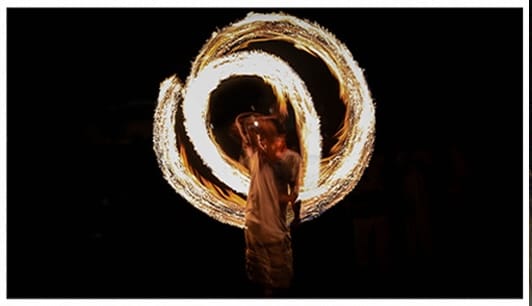
Experience the Heartbeat of Chitwan
A visit to Sauraha isn't complete without experiencing the Tharu Cultural Dance.
Every evening, as the sun sets over the Rapti River, visitors gather to witness one of Nepal's most authentic cultural performances. More than just entertainment, the Tharu Cultural Dance tells the story of a community that has lived alongside the forests of Chitwan for centuries.
With energetic stick dances, traditional drums, colorful costumes, and captivating storytelling, the performance offers visitors a deeper understanding of the Tharu way of life.
Whether you're visiting Sauraha for a jungle safari or a relaxing holiday, this cultural experience deserves a place on your itinerary.
Who Are the Tharu People?
The Tharu are one of Nepal's oldest indigenous communities, traditionally living in the fertile plains of the Terai region.
For generations, they have shared a close relationship with the forests, rivers, and wildlife surrounding Chitwan National Park. Their customs, architecture, cuisine, festivals, and dances have been carefully preserved and continue to play an important role in local life today.
The Tharu Cultural Dance is one of the best ways for visitors to experience this living heritage.
The Story Behind the Dance
Unlike staged performances created solely for tourists, many Tharu dances originate from real
community celebrations.
Historically, these dances were performed during:
- Harvest
- festivals
- Weddings
- Religious ceremonies
- Community gatherings
- Seasonal celebrations
Each dance carries its own meaning, often representing courage, unity, prosperity, or gratitude for nature.
Today, these performances continue to celebrate Tharu identity while introducing visitors to one of Nepal's richest cultural traditions.
What to Expect During the Performance
A typical Tharu Cultural Dance program lasts 45 to 60 minutes and features a variety of traditional performances.
Highlights often include:
Stick Dance (Lathi Naach)
Perhaps the most famous Tharu performance, dancers use long wooden sticks to create rhythmic movements that symbolize strength, teamwork, and protection.
The synchronized movements and powerful drumbeats make this a crowd favorite.
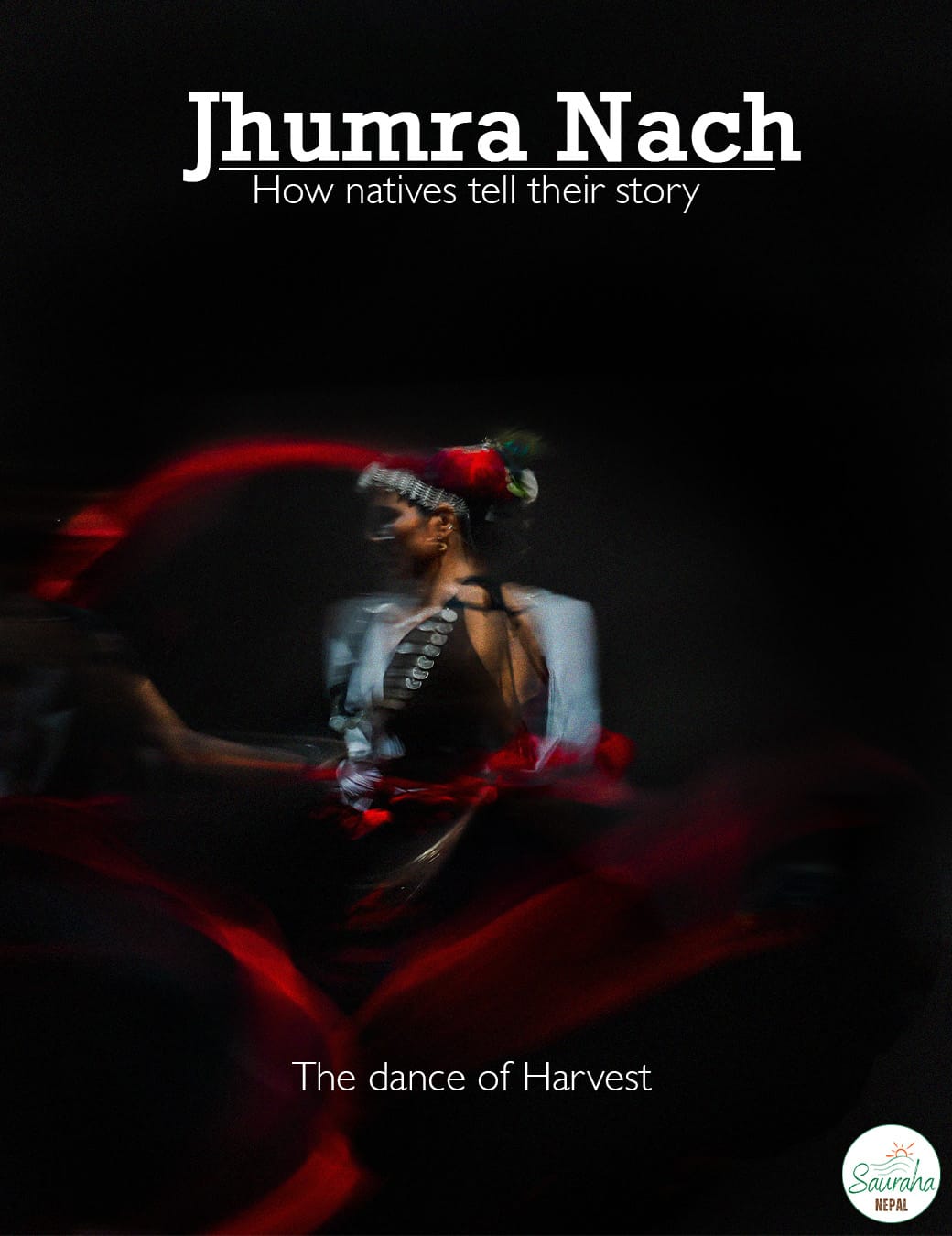
Peacock Dance (Mayur Naach)
Inspired by the graceful movements of the peacock, this dance celebrates nature and the rich wildlife of
Chitwan.
Inspired by the graceful movements of the peacock, this dance celebrates nature and the rich wildlife of Chitwan.
Colorful costumes and elegant choreography make it especially popular with photographers.
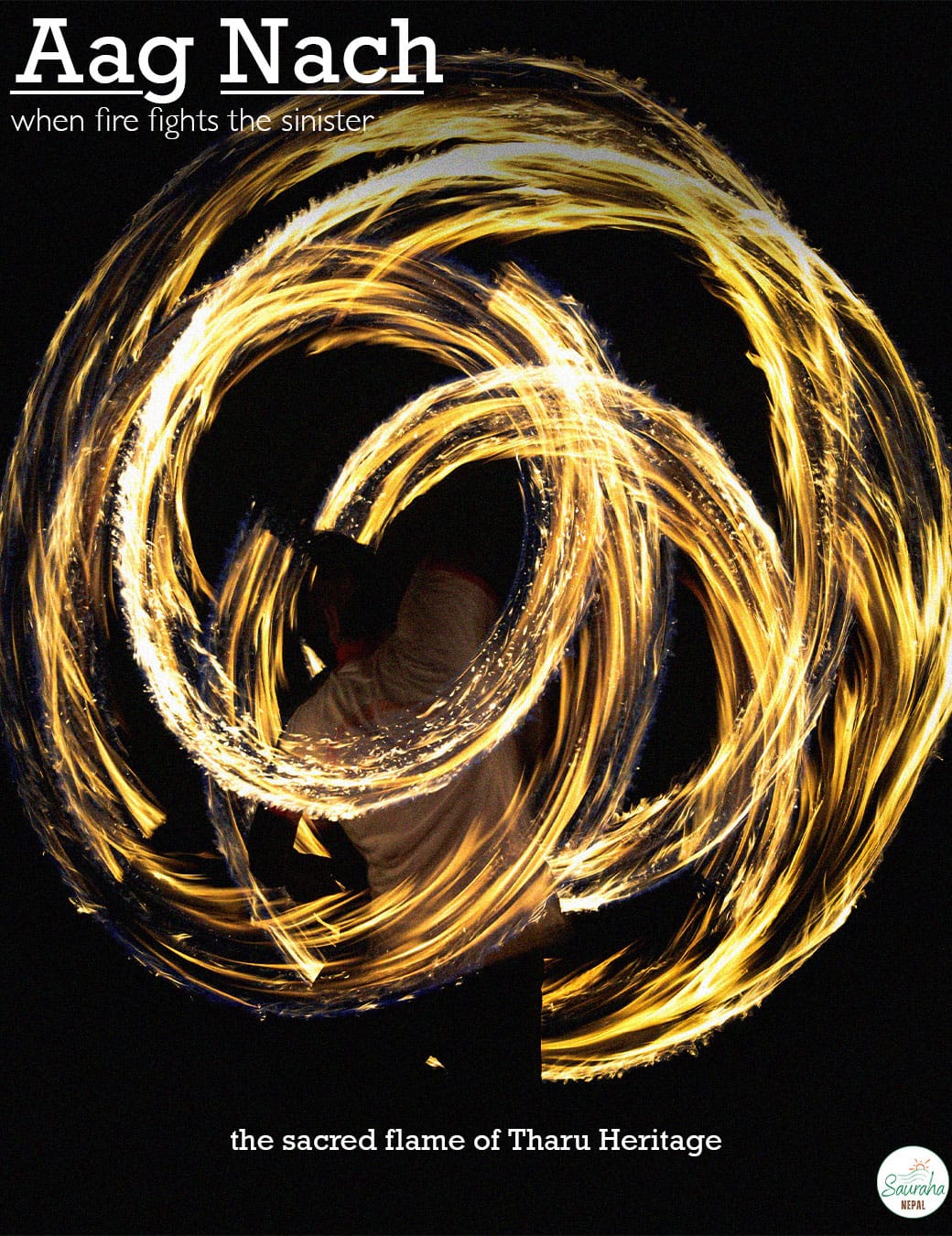
Fire Dance (Aagh Naach)
During festivals or special events, performers may include spectacular fire dances that showcase remarkable skill and bravery.
Availability varies depending on the season and venue.
Traditional Music
The performances are accompanied by live music using traditional instruments such as:
- Madal (hand drum)
- Dhol
- Cymbals
- Bamboo instruments
- Traditional percussion
The live music adds energy and authenticity to every performance.
Traditional Costumes
One of the most striking aspects of the Tharu Cultural Dance is the traditional attire.
Women often wear:
- Brightly colored skirts
- Embroidered blouses
- Silver jewelry
- Decorative headpieces
Men typically perform in:
- White dhotis\
- Traditional waistcoats
- Colorful turbans
- Handmade accessories
The costumes reflect the rich artistic traditions of the Tharu community.
Show Timings & Ticket Information
Most performances take place daily in the evening, making them easy to include after a day of safari activities.
Typical Schedule
- Doors Open: Around 6:00 PM na 7:00 Pm
- Performance Begins: Around 6:30 PM onwards
- Duration: 45–60 minutes
Timings may vary slightly depending on the season and local events.
Many hotels and tour operators can assist with booking tickets or arranging transportation.
There are few places where you can watch it. Some hotels also have their in house shows too.
Best Time to Watch
The Tharu Cultural Dance is performed throughout the year, but the most comfortable months for visitors are October to March.
These months offer:
- Pleasant evening temperatures
- Clear weather
- Peak tourist season
- Vibrant atmosphere
Combining the show with a Rapti River sunset creates the perfect evening in Sauraha.
Where to Watch the Dance
Several venues in Sauraha host regular cultural performances.
Many hotels and resorts also arrange private or group shows for their guests.
If you're staying overnight, ask your hotel reception about performance times and ticket availability.
Complete Your Evening in Sauraha
Many travelers enjoy combining the cultural dance with other nearby attractions.
A perfect evening itinerary could include:
4:30 PM
Explore Sauraha's local market and souvenir shops.
5:30 PM
Watch the sunset over the Rapti River.
6:30 PM
Enjoy the Tharu Cultural Dance.
7:30 PM
Finish the evening with dinner at a riverside restaurant serving traditional Tharu and Nepali cuisine.
It's one of the most memorable ways to experience the charm of Sauraha.
Visitor Tips
To make the most of your experience:
✔ Arrive at least 15–20 minutes early.
✔ Bring a light jacket during winter evenings.
✔ Keep your camera ready—photography is usually permitted, but avoid using flash durin performances.
✔ Support local artisans by purchasing handmade crafts from nearby shops.
✔ Stay after the performance if there's an opportunity to meet the performers and learn more about their traditions.
Frequently Asked Questions
Is the Tharu Cultural Dance suitable for children?
Yes. The performances are family-friendly and enjoyable for visitors of all ages.
How long does the performance last?
Most shows last between 45 and 60 minutes.
Can I take photographs?
Yes. Photography is generally allowed, though it's best to avoid flash to respect the performers.
Do I need to book tickets in advance?
During peak tourist season (October–March), booking in advance through your hotel or tour operator is
recommended.
Is the performance available every day?
Most venues host daily performances, but schedules may vary during festivals or the off-season.
Final Thoughts
The Tharu Cultural Dance is far more than an evening show—it's an opportunity to connect with the history, traditions, and spirit of Chitwan's indigenous community.
Whether you're visiting Sauraha for wildlife, relaxation, or adventure, taking an hour to experience this vibrant cultural performance will add a meaningful and memorable dimension to your trip.
The rhythmic drumbeats, colorful costumes, and warm hospitality of the Tharu people create an
experience that stays with visitors long after they leave Chitwan.
Internal Linking Suggestions
- Best Time to Visit Sauraha & Chitwan
- One Day Trip to Sauraha
- What to Pack for Sauraha
- Park Permits to Visit Sauraha
- How to Reach Sauraha from Kathmandu & Pokhara
- Community Forest vs National Forest
- Sauraha is Nepal's Perfect Destination Wedding
Ready to Experience Tharu Culture?
Plan your visit with SaurahaNepal.com to discover cultural programs, hotels, safari packages, local restaurants, and unforgettable experiences in the heart of Chitwan.
Immerse yourself in the traditions of Nepal and make the Tharu Cultural Dance a highlight of your
Sauraha adventure.
Related articles
What to Pack for Sauraha: The Complete Seasonal Packing Guide for Chitwan (2026)
Planning a trip to Sauraha? Discover exactly what to pack for every season in Chitwan National Park, including clothing, safari essentials, weather tips, and travel recommendations.
TipsWhy Sauraha is Nepal's Perfect Destination Wedding Venue (5-Minute Read)
Destination Wedding in Sauraha, Nepal | Why Chitwan is the Perfect Wedding Destination