How Did the Recent Flood Affect Sauraha?
Sauraha Nepal Team · 7 min read · 29 September 2026
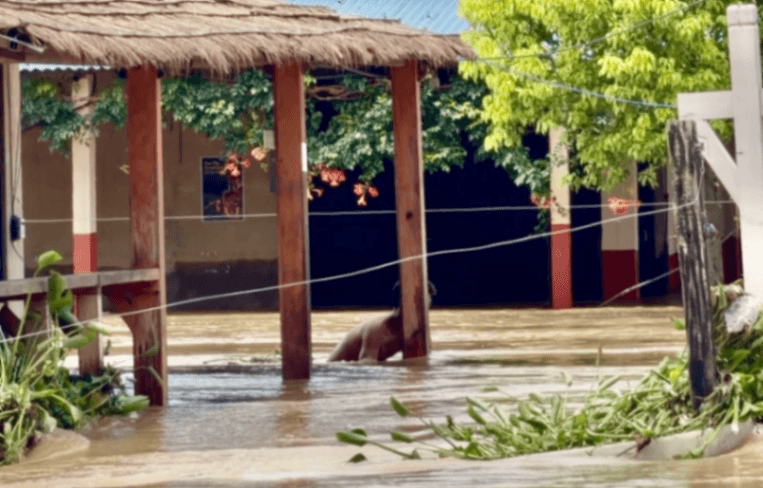
Learn how the 2026 floods affected Sauraha, Chitwan, including hotels, restaurants, tourists, roads and tourism activities, and how Sauraha has been recovering.
How Did the Recent Flood Affect Sauraha?
Sauraha is famous for its wildlife, the Rapti River, Tharu culture and its close connection to Chitwan National Park.
But in August 2026, the same rivers that help make Sauraha such a beautiful destination became a serious threat.
Heavy rainfall caused the Rapti and Budhi Rapti rivers to rise rapidly, flooding parts of Sauraha and surrounding areas.
The impact was significant.
Hotels and restaurants were affected, roads became difficult or impossible to use, tourists had to be rescued, and some local businesses suffered substantial losses.
At the same time, Sauraha's tourism industry demonstrated its ability to recover quickly. Hotels and resorts reopened, tourism activities gradually resumed, and local tourism entrepreneurs began encouraging visitors to return.
What Happened During the Flood?
Sauraha's location beside the Rapti River is one of its biggest attractions—but it also creates a flood risk during extreme rainfall.
During the August flooding, the Rapti and Budhi Rapti rivers overflowed, inundating parts of the tourist town.
Reports from the time described widespread flooding, with water entering hotels, restaurants, homes and other businesses.
The situation became particularly difficult because some roads and bridges were also affected.
The bridge over the Rapti River at Chitrasari was damaged, temporarily disrupting the road connection between Sauraha and Ratnanagar.
Around 600 Tourists Were Rescued
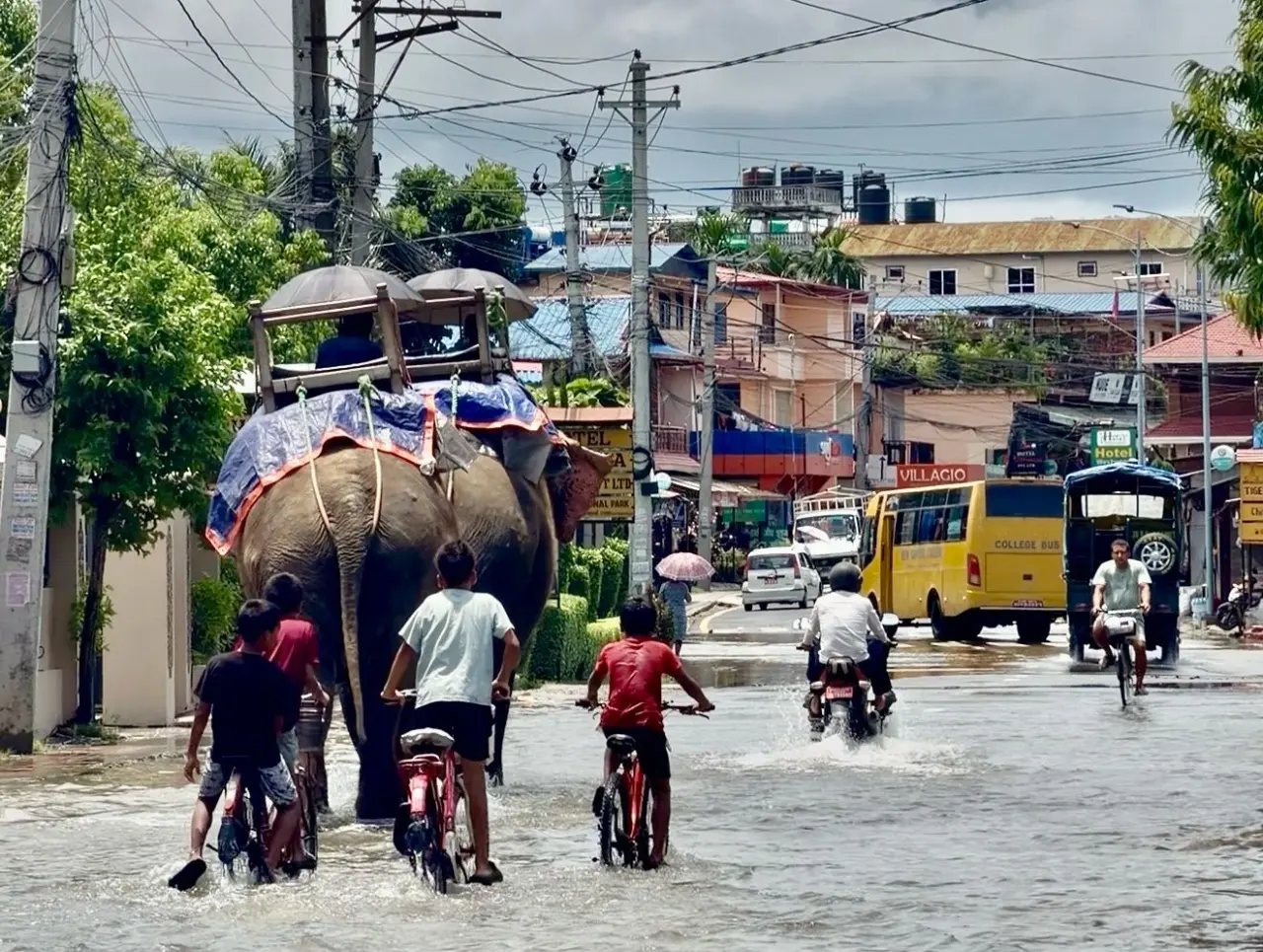
One of the most remarkable parts of the response was the evacuation of tourists from the flooded areas.
According to myRepublica, local tourism entrepreneurs helped rescue approximately 600 tourists.
Elephants were used to help move people through flooded areas, while other vehicles and equipment were also used as conditions allowed.
The rescue operation highlighted both the seriousness of the flooding and the importance of local knowledge during emergencies.
For visitors, it also demonstrated why travellers should always follow local instructions during extreme weather rather than attempting to navigate flooded areas themselves.
Hotels and Restaurants Were Hit Hard
Sauraha's tourism industry was among the sectors most affected.
According to the Regional Hotel Association Chitwan, around 110 hotels were affected by the flood.
The association estimated hotel-related losses at approximately NPR 150 million, while restaurants reported losses of around NPR 50 million.
The damage varied between businesses.
Some properties experienced water entering rooms and common areas, while riverside businesses were particularly exposed.
For smaller family-run businesses, even a temporary closure can have a significant financial impact because tourism is their primary source of income.
What Happened to Restaurants and Riverside Businesses?
Restaurants and businesses close to the river were among the most vulnerable.
Floodwater damaged property, equipment and other belongings.
Some riverside structures and businesses suffered particularly heavy impacts because of their proximity to the water.
The flooding also temporarily stopped normal visitor activity.
For a destination that depends heavily on restaurants, cafés, souvenir shops, guides, safari operators and accommodation providers, even a few days without tourists can create a major economic shock.
What Happened to Tourists?
The immediate priority during the flood was getting visitors to safety.
Tourists staying in affected areas were evacuated as floodwaters rose.
Following the worst of the flooding, tourist arrivals dropped sharply.
According to myRepublica, tourist arrivals temporarily fell to zero before beginning to recover after Chitwan National Park resumed ticket sales and tourism activities started reopening.
This shows how quickly a natural disaster can affect an entire destination.
Were Safari Activities Stopped?
Yes, tourism activities were disrupted by the monsoon conditions.
Jungle activities were temporarily affected while the situation was assessed.
As conditions improved, activities gradually resumed.
By August 20, reports indicated that lodges and resorts had reopened and some jungle activities, including elephant safari operations, had resumed, although tourist numbers remained very low.
Safari availability can still depend on weather, park conditions and official safety decisions, so visitors should always check before booking or starting an activity.
The Flood Had Another Impact: Fewer Tourists
Interestingly, the physical flood was not the only challenge Sauraha faced.
A separate disaster in northern Nepal—the August 26 Bhotekoshi flood—caused widespread international concern about travelling in Nepal.
Although that particular disaster did not directly damage Chitwan, reports of floods, road blockages and travel disruptions resulted in widespread cancellations in Sauraha.
By September 8, the Kathmandu Post reported that hotel occupancy in Sauraha had fallen below 5 percent, despite the destination normally entering one of its busiest tourism periods.
This created a second economic blow for local tourism businesses.
Sauraha Was Open, But Tourists Were Staying Away
This distinction is important.
There were two different impacts:
Direct flood impact
The August flooding in Sauraha caused:
- Flooding of hotels and businesses
- Damage to property
- Road and bridge disruption
- Tourist evacuations
- Temporary interruption of tourism activities
Indirect tourism impact
The wider national flood disaster caused:
- Booking cancellations
- Lower hotel occupancy
- Reduced road travel
- Traveller uncertainty
- Negative perceptions about travelling to Nepal
Both affected the local tourism economy, but they were not the same event.
Has Sauraha Recovered?
The recovery has already begun.
By September, tourism entrepreneurs in Sauraha were actively encouraging travellers to return.
The Regional Hotel Association Chitwan said hotels and resorts had completed preparations to welcome visitors and that tourism activities had fully resumed. The association also described Sauraha as ready to receive both domestic and international travellers.
That does not mean every business suffered the same level of damage or that every area has returned completely to normal.
It means the destination's tourism sector has been working to reopen and rebuild.
What Does This Mean for Travellers?
If you're planning to visit Sauraha after the floods, don't assume that the entire destination is closed.
Instead, check the current situation before travelling.
Before your trip:
1. Check the weather
Heavy rainfall can quickly change local conditions.
2. Contact your hotel
Ask whether the hotel is operating normally and whether access roads are open.
3. Check safari availability
Park activities can change according to weather and safety conditions.
4. Check transportation
Road conditions can be affected by landslides and flooding elsewhere in Nepal.
5. Follow local advice
If authorities or your guide advise against visiting a river or undertaking an activity, follow their instructions.
Should You Avoid Sauraha Because of the Flood?
The answer depends on when you're travelling and the current conditions.
A flood event does not mean that Sauraha remains permanently flooded.
Sauraha is a working tourism destination that has experienced a major weather event and is recovering.
The most important consideration is the current weather and access situation, rather than simply what happened several weeks earlier.
For travellers visiting during periods of stable weather, the situation can be very different from the conditions experienced during the peak of the flood.
How Can Visitors Support Sauraha's Recovery?
Tourism is an important part of the local economy.
Visitors can contribute directly to recovery by choosing local businesses.
Consider:
- Staying at locally owned hotels
- Eating at local restaurants
- Hiring local guides
- Booking safari activities locally
- Buying locally made handicrafts
- Visiting Tharu cultural attractions
- Supporting local cafés and shops
Your trip can provide income to many people beyond your hotel.
A single visitor can support accommodation providers, guides, drivers, restaurants, artisans and other local businesses.
Why the Flood Story Matters
The flood has also highlighted something important about Sauraha.
Its location beside rivers and close to nature is part of what makes the destination special.
The Rapti River provides beautiful sunsets, canoe experiences and a natural landscape that attracts visitors.
But during extreme rainfall, the same environment can become dangerous.
Responsible tourism means enjoying Sauraha while respecting its natural environment.
Sauraha After the Flood: A Destination Rebuilding
The story of the 2026 flood isn't only about damage.
It is also about recovery.
Local residents rescued visitors.
Hotels cleaned and reopened.
Tourism activities resumed.
Businesses began rebuilding.
And tourism entrepreneurs started actively inviting travellers back to Sauraha.
For a destination built around hospitality, wildlife and community, recovery depends heavily on visitors returning when conditions are safe.
Frequently Asked Questions
Was Sauraha seriously affected by the 2026 flood?
Yes. Severe flooding from the Rapti and Budhi Rapti rivers inundated parts of Sauraha and affected hotels, restaurants, roads and other businesses.
Were tourists rescued?
Yes. Reports said approximately 600 tourists were rescued during the flooding, with elephants and other vehicles helping move people to safer locations.
How many hotels were affected?
The Regional Hotel Association Chitwan reported that around 110 hotels were affected, with estimated hotel losses of approximately NPR 150 million.
Are hotels in Sauraha open again?
Tourism businesses reported that hotels and resorts had reopened and that tourism activities had resumed as conditions improved.
Did the August Bhotekoshi flood directly damage Sauraha?
No. The Bhotekoshi disaster was geographically separate from Chitwan, but it had a major indirect impact through road disruptions, cancellations and traveller concerns.
Can tourists visit Sauraha now?
Travel depends on current weather, road access and local conditions. Travellers should confirm conditions with their accommodation and activity providers before departure.
Final Thoughts
The 2026 floods were a difficult chapter for Sauraha.
The impact was real: hotels and restaurants were damaged, roads were disrupted, hundreds of tourists needed assistance, and local businesses suffered significant financial losses.
But the story did not end there.
Sauraha's tourism businesses reopened, safari and other activities resumed as conditions allowed, and local entrepreneurs began working to bring visitors back.
For travellers, the lesson is simple:
Don't ignore the risks—but don't judge an entire destination only by the worst day of a disaster either.
Check current conditions, travel responsibly and listen to local advice.
When conditions are safe, Sauraha continues to offer the wildlife, culture, river views and hospitality that have made it one of Nepal's most loved tourism destinations.
Plan Your Visit to Sauraha
Looking for hotels, restaurants, safari operators, local guides, transportation and things to do?
SaurahaNepal.com is your local guide to discovering Sauraha and Chitwan.
Travel responsibly. Support local businesses. Discover Sauraha.
Related Articles
Best Time to Visit Sauraha & Chitwan
How to Reach Sauraha from Kathmandu & Pokhara
Community Forest vs National Forest
Sauraha is Nepal's Perfect Destination Wedding
Ready to Explore Sauraha?
Find the best hotels, jungle safaris, restaurants, transportation, local guides, and unforgettable experiences at SaurahaNepal.com.
Start planning your adventure today and discover why Sauraha is one of Nepal's most loved travel destinations.
Related articles
Sauraha After the 2026 Floods: What Really Happened and Is It Safe to Visit?
Wondering what happened to Sauraha after the 2026 floods? Learn about the impact on Sauraha, Chitwan tourism, roads, wildlife activities, and what tra…
28 September 2026

Flood Safety in Sauraha: A Visitor's Guide to Staying Safe During the Monsoon (2026)
Flood Safety Guide for Sauraha | Monsoon Travel Tips for Chitwan (2026)
14 July 2026